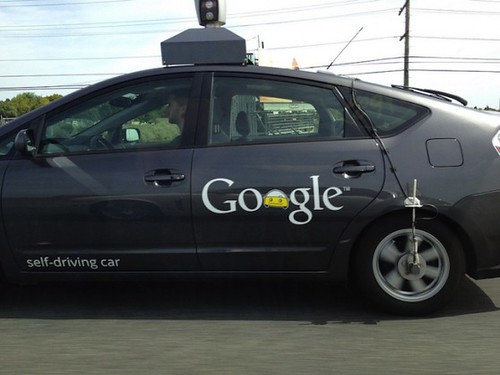
The Moral Machine Experiment: 40 Million Decisions on Who a Robot Car Should Save
Summary: “The Moral Machine experiment” (Awad et al., Nature, 2018)
Framed as what the article reports, not as independently verified claims.
Most interesting points
• The authors built a viral online “serious game” to ask how self-driving cars should act in unavoidable crash dilemmas. It collected about 40 million decisions from people in 233 countries and territories, across 10 languages.
• The experiment tested nine moral tradeoffs, including whether to spare humans over pets, more lives over fewer, passengers over pedestrians, young over old, lawful pedestrians over jaywalkers, fit over less fit people, higher-status over lower-status people, and women over men.
• Globally, the strongest reported preferences were to spare humans, spare more lives, and spare young people. The article says babies, children, and pregnant women were among the most spared characters.
• One major tension: public preferences in the study favored sparing the young, but the article notes that Germany’s automated-driving ethics guidance rejected distinctions based on personal traits such as age. The authors frame this as a coming policy-communication problem.
• Individual demographics mattered surprisingly little. Age, education, gender, income, politics, and religiosity changed preferences only modestly, and did not usually reverse the direction of a preference.
• Cross-cultural variation mattered much more. The article groups countries into three broad “moral clusters”: Western, Eastern, and Southern. For example, the Eastern cluster reportedly showed a weaker preference for sparing the young, while the Southern cluster showed stronger preferences for sparing women and physically fit characters.
• The authors connect moral preferences to broader social patterns: individualistic cultures were linked to stronger “save more people” preferences; places with stronger rule of law were less tolerant of jaywalking pedestrians; more unequal countries showed more unequal treatment by social status.
• The article’s biggest caveat is that the sample was self-selected, internet-connected, and not nationally representative. The authors argue the scale and cross-country correlations are still useful, but not a final answer for policy.
Takeaway: The article treats autonomous-vehicle ethics less like a purely technical problem and more like a global legitimacy problem: even if engineers can encode rules, societies may disagree sharply about which rules feel acceptable.