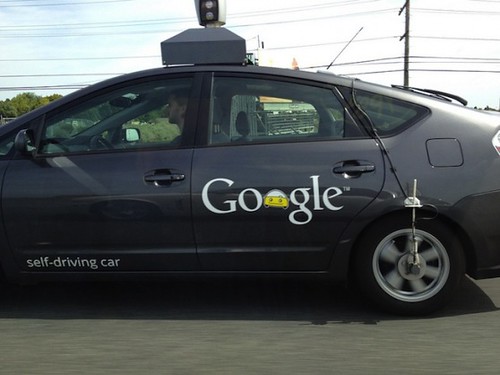
THE AI ETHICS QUESTION EVERYONE WILL ARGUE ABOUT: WHO GETS TO WRITE A ROBOT CAR’S MORAL…
THE AI ETHICS QUESTION EVERYONE WILL ARGUE ABOUT: WHO GETS TO WRITE A ROBOT CAR’S MORAL RULES? 🤖
The Moral Machine experiment asked people around the world to judge difficult self-driving car dilemmas, and the results were uncomfortable: people did not all agree on one universal moral rule.
The study collected about 39.6 million decisions from people in 233 countries and territories. Across the global results, people tended to prefer:
• protecting humans over animals
• protecting more lives over fewer lives
• protecting younger people over older people
But the biggest twist is cultural: the researchers found three broad “moral clusters” of countries, meaning different societies weighted some choices differently.
So here is the real debate: should AI ethics be universal, or should moral rules change depending on the country?
Pick a stance:
• Universal Rules: every autonomous vehicle should follow the same ethical standards everywhere.
• Local Values: AI should reflect the society where it is used.
• Expert Control: engineers, ethicists, and lawmakers should decide, not online polls.
• Public Voice: people deserve a say because they are the ones living with these systems.
The wild part is that AI is not inventing these disagreements. It is revealing them. Once machines start making choices in public life, human values have to become code — and that is where things get controversial.
Question for the chat: If a self-driving car has to follow moral rules, who should decide those rules: the public, the government, the company, or a global ethics standard?